
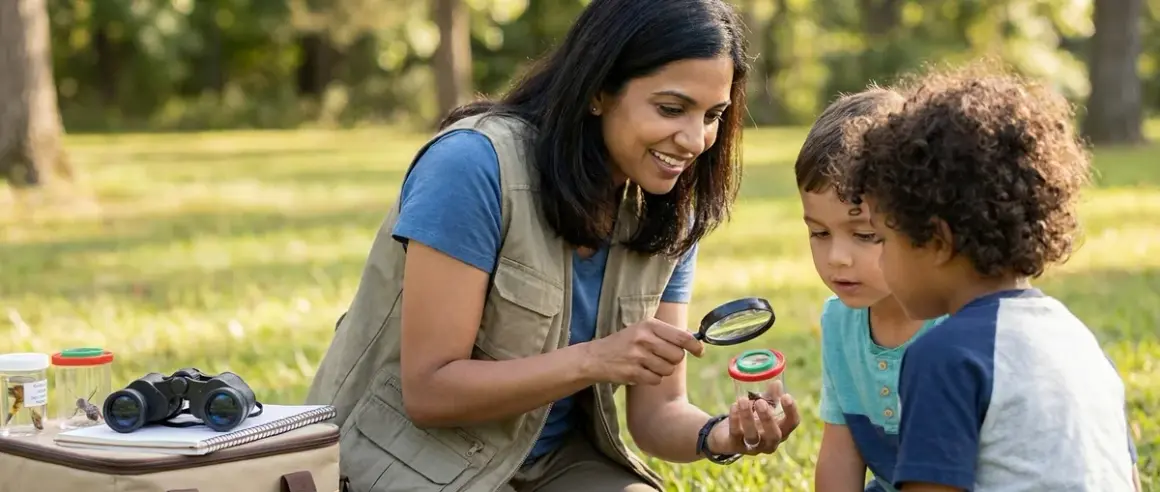

You want your child contributing to actual scientific research, not just following cookbook protocols with predetermined outcomes. The best citizen science kits for kids transform your home into a data-collection station connected to university labs, environmental agencies, and peer-reviewed studies. These aren't simulation activities—they're legitimate research tools that teach the same sampling protocols, calibration procedures, and data hygiene practices that professional scientists use daily.
I've spent fifteen years watching middle-schoolers light up when they realize their watershed data might influence municipal policy, or that their pollinator counts are aggregating with thousands of other observers to map species decline. That shift from "doing a science activity" to "being a scientist" fundamentally changes how children approach inquiry. The kits I'm recommending below aren't toys—they're research instruments scaled for novice hands but held to real methodological standards.
What Are Citizen Science Kits?
Citizen science kits are structured research tools that enable young learners to collect, record, and contribute scientifically valid data to ongoing professional studies. Unlike traditional science kits that end with a conclusion on your kitchen table, these materials connect your child to broader research networks—often through platforms like Zooniverse, iNaturalist, or SciStarter—where their observations join datasets used in peer-reviewed publications.
The distinction matters pedagogically. When my sixth-graders use a standard water testing kit, they learn about pH and dissolved oxygen. When they use a citizen science water quality kit connected to a watershed monitoring project, they learn those same concepts plus sampling consistency, data logging protocols, equipment calibration, and the messiness of real-world variability. They're wrestling with the same challenges field ecologists face: equipment that drifts out of calibration, weather that disrupts sampling schedules, anomalous readings that require investigative thinking.
These kits typically include standardized collection tools (sensors, specimen containers, observation guides), data submission protocols (apps, web portals, or structured spreadsheets), and training materials that teach the specific methodology for that research project. The best platforms provide feedback loops—your child can see how their data compares to regional trends, or receive notifications when their observation helps confirm a species sighting.
What separates quality citizen science kits from generic ones is methodological rigor. The protocols must be simple enough for novices yet precise enough that the data holds scientific value. That's a difficult design challenge, which is why many excellent citizen science opportunities don't come as "kits" at all—they're free protocols you implement with DIY or borrowed equipment. I'll cover both packaged kits and guided DIY approaches in this article, because the learning outcomes often matter more than the packaging.
How Citizen Science Research Works at Home
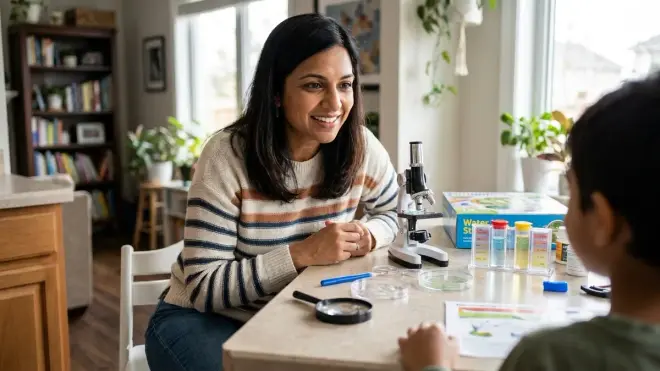
The research process for young citizen scientists mirrors the workflow in professional labs, just with training wheels and narrower scope. Here's how it typically unfolds, based on watching hundreds of students navigate these projects:
1. Project Selection and Onboarding (1-2 hours): You and your child choose a research project aligned with their interests and your local environment. Maybe it's monitoring air quality through EPA-affiliated programs, tracking bird migrations through eBird, or documenting invasive plant species. Most platforms provide orientation videos that explain why this data matters, what scientists will do with it, and how to collect it properly. This context-building is crucial—kids need to understand the research question they're helping answer, not just follow procedural steps. I always have students write a one-paragraph summary of the research purpose before they touch any equipment.
2. Equipment Calibration and Protocol Training (2-4 hours initially, then 15-30 minutes per session): This is where citizen science diverges sharply from casual observation. Your child learns to calibrate sensors, prepare collection materials according to specific standards, and practice the observation or sampling technique until they can execute it consistently. For water quality kits, this might mean learning to rinse sample bottles three times with test water before filling, or understanding why you always collect from the same depth and location. For observation-based projects like pollinator counts, it means learning to distinguish similar species and maintain consistent watch durations. The What Is Citizen Science: How Kids Contribute to Real Research article walks through this training phase in detail if your child is completely new to research protocols.
3. Regular Data Collection (15 minutes to 2 hours per session, depending on project): Most citizen science projects require consistency over time—weekly water samples, daily weather observations, monthly biodiversity surveys. This regularity teaches discipline and reveals patterns that single-point observations miss. Your child follows the established protocol exactly each time, documenting conditions, recording measurements, and noting any irregularities. They're building the habit of systematic observation that underlies all empirical research. The time commitment varies wildly: a phenology project might need five minutes daily to note whether your marker tree has budded, while a stream macroinvertebrate survey might require an hour of fieldwork plus identification time.
4. Data Logging and Submission (10-20 minutes per session): Raw observations become research data through careful documentation. Your child enters measurements into the project's app or database, often with photos, location coordinates, and environmental context. They learn that data without metadata is nearly worthless—recording the temperature matters, but so does noting the time of day, recent weather, and exact measurement location. Many platforms include validation steps that flag impossible values or prompt for missing information, teaching kids to spot their own errors before submission. This is authentic data literacy in action.
5. Analysis and Interpretation (ongoing, student-driven): The most sophisticated citizen science platforms let contributors explore the aggregated dataset. Your child can graph their local air quality trends against regional data, compare their butterfly counts to historical patterns, or map invasive species spread. Some projects send periodic reports showing how individual contributions fit into larger findings. I've watched this feedback loop sustain interest far longer than isolated experiments—there's intrinsic motivation in seeing your dot on a continent-wide map, or discovering your water samples helped identify a pollution source.
6. Iteration and Troubleshooting (as needed): Real research involves equipment failures, confusing results, and protocol questions. When your child's dissolved oxygen readings seem off, they learn to check calibration, review their technique, and consult community forums where other citizen scientists share solutions. This troubleshooting builds resilience and critical thinking in ways that scripted kits never do. The Citizen Science Project Checklist: Everything Young Researchers Need provides frameworks for working through common obstacles.
The technical infrastructure varies by project. Some use dedicated sensors with Bluetooth connectivity to smartphone apps (common in environmental monitoring kits). Others use photography paired with AI-assisted species identification (iNaturalist's computer vision). Still others require physical specimens mailed to research labs. Understanding these workflow differences helps you choose projects compatible with your child's developmental stage and your household's tech setup.
Why Citizen Science Kits Build Different Skills Than Standard Science Kits
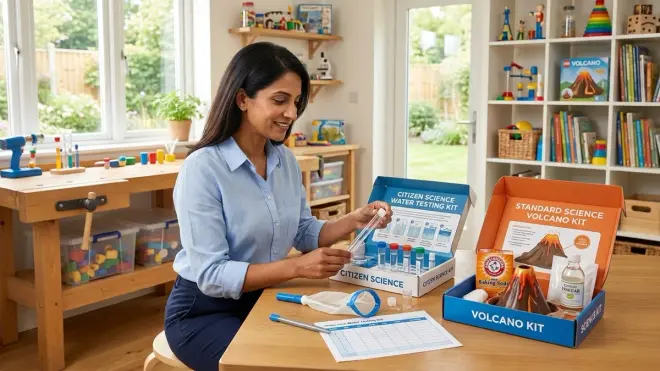
I need to be direct here: most "science kits" teach procedure-following, not scientific thinking. They're recipes with predetermined outcomes—mix chemical A with chemical B, observe the expected fizz, congratulations on your "experiment." There's some value in building familiarity with lab techniques, but it doesn't develop the cognitive skills that define actual science.
Citizen science kits force engagement with authentic research challenges. Your child confronts the same problems professional ecologists, meteorologists, and epidemiologists face: inconsistent conditions, equipment limitations, judgment calls about data quality, and the humility of contributing one small piece to a much larger puzzle. These aren't abstractions—when your daughter's water quality testing kit returns a pH reading that doesn't match last week's, she has to decide whether it's instrument drift, procedural error, or an actual environmental change. That's scientific reasoning.
The skill development breaks into several domains that map directly onto NGSS Science and Engineering Practices:
Asking Questions and Defining Problems: Unlike closed-ended kits, citizen science projects invite observation-driven questions. When my students monitor bird feeders for Project FeederWatch, they inevitably notice patterns that spark inquiry: Why do certain species only appear after snow? Why did junco numbers drop this year? Do feeder heights affect which birds visit? These questions often become independent investigations layered onto the core data collection. The kit creates the infrastructure; the child's curiosity drives the science.
Planning and Carrying Out Investigations: The longitudinal nature of citizen science teaches planning skills that one-off experiments can't touch. Your child must think ahead about sampling schedules, anticipate equipment needs, and maintain consistency across changing conditions. They learn that investigation design matters—why we control variables, why sample size affects conclusions, why randomization reduces bias.
Analyzing and Interpreting Data: Raw numbers mean nothing without context. Citizen science platforms typically provide data visualization tools that help young researchers spot trends, outliers, and correlations. But more importantly, they learn that data quality determines analysis quality. A miscalibrated sensor renders an entire dataset suspect. An incomplete metadata field makes the observation unusable. This connection between careful collection and valid conclusions is abstract in classroom discussions but visceral when it's your own data.
Constructing Explanations and Designing Solutions: Contributing to research often reveals problems that need solving. Water monitoring might uncover pollution sources. Invasive species tracking might prompt habitat restoration questions. These aren't academic exercises—my students have written letters to city councils based on their stormwater data, citing specific contamination events they documented. That's science in service of community, which builds agency alongside content knowledge.
Obtaining, Evaluating, and Communicating Information: Every citizen science project requires information literacy. Your child learns to distinguish reliable field guides from random internet sources, evaluate whether their observation protocol matches the research standard, and communicate findings clearly through structured data entry. They're practicing the same peer-review thinking that scientists use, just at a novice level.
Beyond NGSS alignment, these kits build practical technical skills that transfer directly to STEM careers. Sensor calibration and data logging appear in environmental consulting, industrial quality control, and agricultural management. Species identification and systematic observation underpin ecology, epidemiology, and conservation biology. The Best Environmental Monitoring Kits for Citizen Science Projects article details specific technical competencies by kit type if you're mapping a learning progression.
Types of Citizen Science Kits and Research Areas
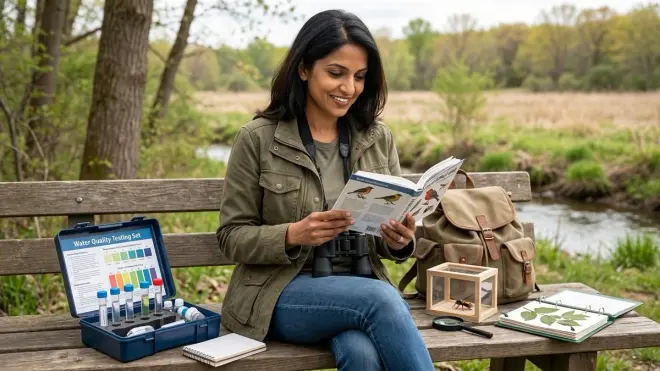
Citizen science spans every scientific discipline, but kits for young learners cluster around a few research domains where data collection is accessible yet scientifically valuable:
Environmental Monitoring and Ecology
This is the largest category, encompassing water quality testing, air quality monitoring, soil analysis, and habitat observation. Projects range from simple phenology tracking (When did the lilacs bloom? When did the first robin appear?) to sophisticated sensor networks measuring particulate matter or stream chemistry. The best micro:bit citizen science kits often fall into this category, using programmable microcontrollers to log temperature, humidity, light levels, or custom sensors. These projects teach data collection rigor, environmental systems thinking, and often connect to local conservation efforts.
Biodiversity and Species Monitoring
Wildlife observation, insect counts, plant surveys, and invasive species tracking generate valuable biogeography data while building taxonomy skills and ecological awareness. Projects like iNaturalist, Bumble Bee Watch, or regional butterfly counts require minimal equipment—often just a camera and field guides—but demand careful attention to identifying characteristics and habitat documentation. This category scaffolds naturally from early-elementary casual observation ("find five different insects") to middle-school systematic surveys ("conduct standardized transect counts following Pollard walk methodology").
Astronomy and Atmospheric Science
Light pollution mapping, meteor shower counts, aurora observation, and cloud classification offer accessible entry points into physical sciences. Projects like Globe Observer or NASA's Citizen Science initiatives let kids contribute observations using smartphones or simple equipment. These build observational consistency, data recording habits, and often involve pleasantly low-tech methods—cloud charts haven't changed much since the 1800s, yet the aggregated data helps validate satellite readings and improve weather models.
Technology-Enabled Sensing
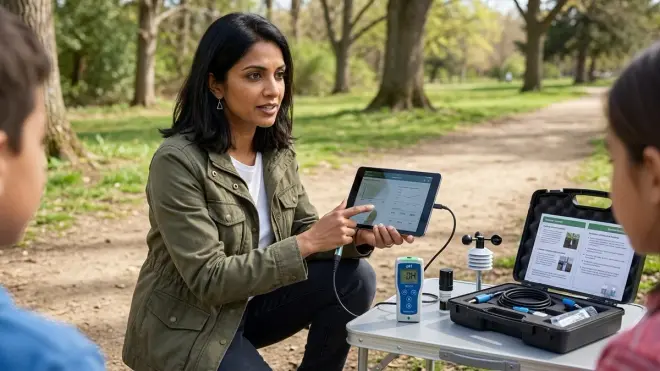
This emerging category uses programmable platforms like Arduino or micro:bit paired with environmental sensors to create custom data-collection instruments. Students might build air quality sensors measuring PM2.5 particulates, soil moisture monitors for drought tracking, or noise pollution loggers for urban soundscape studies. These kits integrate engineering with science, teaching circuit assembly, sensor calibration, and data logging through code. They're more technically demanding but create pathways toward professional-grade research infrastructure. The Arduino vs micro:bit for Citizen Science: Which Platform Is Better? comparison helps you navigate this landscape if you're considering a programmable approach.
The progression often flows from observation-based projects (species counts, phenology) → measurement-based projects (water testing, weather stations) → sensor-based projects (programmable platforms with custom instrumentation). Each stage increases technical complexity while building on prior methodological foundations. I typically start students with observation projects to establish protocol discipline before introducing equipment that requires calibration and troubleshooting.
Lab Specs: Infrastructure Requirements for Home Citizen Science
Unlike LEGO STEM kits or coding robots that work anywhere, citizen science projects have real environmental and technical dependencies. Here's what you need to assess before committing:
Sampling Access and Safety: Does the project require outdoor access? Water monitoring needs safe access to streams, ponds, or coastal areas—accessibility and supervision requirements matter. Air quality monitoring works from a porch or window, but placement affects readings (you're measuring your microenvironment, so consistency matters more than "ideal" location). Urban astronomy faces light pollution challenges; rural biodiversity surveys might require travel to specific habitats. Factor in transportation, adult supervision needs, and whether the sampling location is accessible year-round. Review the Home STEM Lab Safety Checklist: Power, Ventilation, and Storage Requirements for general safety frameworks, then apply project-specific considerations.
Equipment Durability and Replacement Cycles: Citizen science gear ranges from near-indestructible (laminated field guides, basic collection containers) to fragile and consumable (water testing reagents, pH probe membranes, sensor electrodes). Budget for consumables if your kit requires chemical reagents—many water testing kits provide 50-100 tests, then need refills costing $20-40. Sensor electrodes drift and need replacement after 6-12 months of use. Understand the total cost of ownership beyond the initial kit purchase. Some projects minimize consumables by using photography-based identification or physical specimen collection rather than chemical testing.
Data Connectivity Requirements: Most modern citizen science projects expect smartphone apps or web uploads for data submission. This doesn't necessarily mean field connectivity—many apps work offline and sync later—but you need some device and internet access for participation. A few projects still accept mailed data sheets or specimens, which matters if you're managing screen time carefully or lack consistent connectivity. Understand whether the platform is iOS, Android, or web-based, and whether it requires account creation (COPPA implications for children under 13).
Platform Compatibility and Software: Sensor-based kits often require specific software or programming environments. Environmental monitoring kits using Arduino need the Arduino IDE (Windows, Mac, Linux; free). Micro:bit projects use MakeCode or Python editors (web-based or downloadable). Some commercial sensor kits bundle proprietary apps that only work with their hardware—understand the lock-in before purchasing. If your child is already learning Python through robotics programming, look for sensor platforms that support Python-based data logging so skills transfer across projects.
Calibration and Maintenance Requirements: Research-grade accuracy requires regular calibration. pH probes need calibration solutions and storage fluid. Temperature sensors need ice-bath validation. Light meters need cross-checking against known standards. Some kits bundle calibration materials; others assume you'll source them separately. This isn't busy-work—it's authentic lab practice. But it adds complexity and cost. If you're choosing a first citizen science kit, consider whether your child has the patience for calibration protocols or would benefit from starting with observation-based projects that don't require equipment maintenance.
Data Storage and Analysis Tools: Where does your child's data live after submission? Some platforms provide robust personal dashboards where kids can retrieve, graph, and analyze their historical data. Others aggregate everything immediately with no individual access beyond the initial submission. For learning purposes, being able to revisit and reanalyze your own dataset matters enormously—it's the foundation of iterative thinking. Look for platforms with downloadable data exports or built-in visualization tools. Understanding data literacy through citizen science helps frame what's developmentally appropriate at different ages.
Expandability and Progressive Complexity: Can the kit grow with your child's skills? Some citizen science projects are deliberately simple with no advancement path—you count birds, period. Others scaffold into more sophisticated participation: maybe you start with basic species ID, then learn to conduct standardized point counts, then train to lead community BioBlitzes. Programmable sensor platforms offer nearly infinite expandability—start with a temperature logger, add humidity and barometric pressure, integrate data visualization, eventually build multi-parameter environmental stations. The How to Design a Progressive STEM Learning Path in Your Home Lab frameworks apply directly to citizen science progression.
Frequently Asked Questions
What age should kids start citizen science projects?
Your child can begin contributing meaningful citizen science data around age 7-8 for observation-based projects like bird counts, insect surveys, or phenology tracking, provided they can sustain attention for 15-20 minute observation periods and follow multi-step protocols consistently. These early projects build observational discipline and species recognition without requiring measurement precision. By age 10-12, most children can handle equipment-based monitoring—water testing kits, weather stations, or basic sensor platforms—as long as they've developed the fine motor control for careful sample collection and the patience for calibration procedures. Programmable sensor projects using Arduino or micro:bit typically succeed best around age 12-14, once students have foundational coding skills and can troubleshoot both hardware and software issues independently. The cognitive bottleneck isn't the science content—it's the executive function required to maintain consistent protocols over weeks or months. Start with shorter-duration projects (a two-week butterfly count) before committing to year-long monitoring commitments. The How to Choose a Citizen Science Kit for Your Child's Skill Level article provides detailed capability assessments by age and experience.
Do citizen science kits require ongoing subscriptions or costs?
Most legitimate citizen science platforms are free to use—they're research projects seeking data, not commercial services selling content. However, the equipment and consumables often require investment and replacement. Observation-based projects using photography and field guides have essentially zero ongoing costs beyond books (one-time $15-40 per guide). Water quality testing kits typically include 50-100 tests per reagent set, then require refill purchases every 3-12 months at $20-50 depending on testing frequency. Sensor-based platforms have the highest variable costs: electrodes need replacement, calibration solutions run out, and occasionally sensors fail and need replacing. Budget approximately $50-100 annually for consumables on active equipment-based monitoring projects. Some schools or community groups provide loaner equipment for established citizen science programs, which eliminates purchase costs but requires coordination. Factor in field guides, specimen containers, and data notebooks as modest ongoing expenses ($20-40 annually). The value proposition is fundamentally different from STEM subscription boxes—you're not paying for curated monthly activities; you're investing in research infrastructure that enables continuous participation in real studies.
How do citizen science projects connect to actual professional research?
Your child's data enters the same databases and analysis pipelines that professional researchers use, though usually after quality control filtering and validation checks. In observation-based projects like eBird or iNaturalist, experienced community validators review submitted records—especially unusual sightings—to catch identification errors or geographic impossibilities before data flows to researchers. Sensor-based projects often cross-validate citizen data against professional monitoring stations to identify and flag poorly calibrated instruments. Once validated, the data aggregates with professional datasets in published research. For example, eBird data appears in peer-reviewed ornithology papers, informs conservation status assessments, and helps identify critical habitats—you can often find your local observations cited by location and date in supplementary materials. Water quality networks contribute to watershed management decisions and EPA reporting. Galaxy Zoo classifications have appeared in astronomical catalogs. The connection isn't metaphorical; it's infrastructural. That said, individual observations rarely change scientific consensus—it's the statistical power of thousands of contributors that generates research value. Your child learns the practice of contributing to collective knowledge rather than the fantasy of making solo discoveries, which is honestly a healthier model of how science actually works at scale.
Can we do citizen science without buying a kit?
Absolutely—many of the highest-quality citizen science opportunities are free protocols using DIY or borrowed equipment. iNaturalist requires only a smartphone camera and the free app, yet contributes to biodiversity databases worldwide. Project FeederWatch needs binoculars and a bird feeder you likely already own. Phenology tracking uses printed datasheets and your backyard plants. These platform-based projects often provide richer learning than packaged kits because they're designed by research institutions focused on data quality rather than consumer product appeal. The tradeoff is setup effort on your part—you'll need to source field guides, research proper identification techniques, and organize data recording systems rather than opening a box with everything included. For water quality or atmospheric monitoring, you can often borrow equipment through local university extension programs, watershed councils, or environmental nonprofits running community science initiatives. If your child has already completed robotics kits or learned Arduino through programming platforms, they can build custom sensor stations following open-source plans from Public Lab or similar maker-science communities. The distinction between "kit" and "project" matters less than methodological rigor and connection to real research networks. Focus on finding well-designed protocols with active researcher involvement rather than searching specifically for retail products.
How long does a typical citizen science project require commitment?
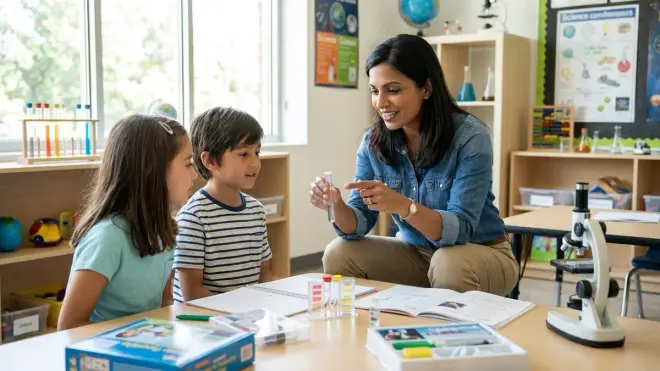
Project duration varies from single-day events to multi-year monitoring commitments, and I strongly recommend starting short before scaling up. Many programs offer entry-level "snapshot" events—a single weekend butterfly count, a one-day BioBlitz, a month-long phenology challenge—that let your child experience the protocol without open-ended obligation. These work beautifully for assessing interest and building skills before committing to longer studies. Seasonal projects like three-month pollinator monitoring or single-breeding-season bird surveys provide natural endpoints while teaching consistent observation over a substantial timeframe. Year-round monitoring generates the most valuable datasets and builds the deepest research skills, but requires maturity and sustained interest most children don't develop until middle school. From a learning perspective, completing a focused 4-6 week project thoroughly builds more genuine understanding than sporadically contributing to a year-long study, so prioritize consistency over duration initially. Many platforms let you pause and resume participation—you can monitor your stream weekly during summer, stop during the school year, and resume next summer without penalty. The research benefits from whatever valid data you contribute, even if it's not continuous. That flexibility matters for family schedules and prevents citizen science from becoming a source of obligation-stress rather than engaged learning.
Bringing Research Home Without Sacrificing Rigor
The best citizen science kits for kids succeed because they refuse to dilute methodology for convenience. They ask young learners to meet research standards rather than creating kid-friendly approximations of science. That's uncomfortable sometimes—calibration is tedious, protocols feel repetitive, and negative results offer no satisfying "reveal" moment.
But that friction is precisely what develops scientific thinking. When your son recalibrates his pH probe for the third time because his readings don't match the buffer solution, he's learning something fundamental about measurement uncertainty that no textbook explanation could convey. When your daughter realizes her butterfly count was compromised because she forgot to note the cloud cover, she's developing data literacy through consequence rather than lecture.
You're not building a scientist through a single kit purchase—you're creating infrastructure for authentic inquiry within your family's rhythm. Start with observation-based projects if your child is younger or new to systematic data collection. Progress to measurement-based kits once they've demonstrated protocol consistency. Consider programmable sensor platforms when they're ready to integrate engineering with data collection, understanding that how to collect and analyze environmental data becomes the transferable skill that outlives any individual project.
The research networks are waiting for your child's observations. They're not symbolic participation—they're methodological partnerships that happen to welcome novices. Choose your project based on genuine interest, commit to learning the protocol properly, and contribute data you'd trust if you were the researcher receiving it.
That standard teaches integrity alongside inquiry, which matters at least as much as the scientific content.