
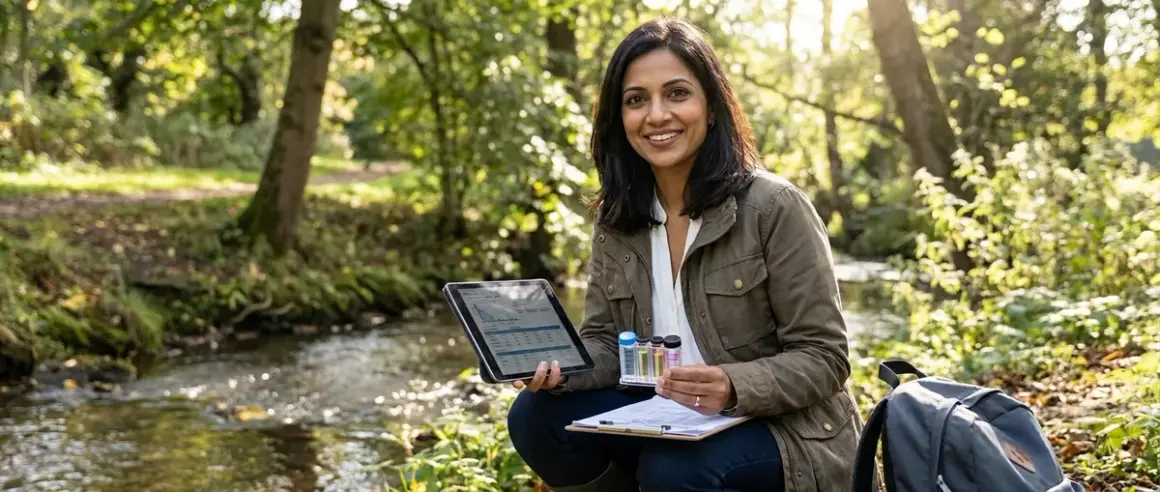

You're ready to move beyond canned experiments and contribute to actual research. That's the power of citizen science—your child can collect data that professional scientists actually use, building authentic research skills while addressing real-world questions. This citizen science project setup checklist walks you through everything you need before you head into the field, from selecting sensors that match your child's skill level to establishing data protocols that mirror university research standards. I've designed this guide for families with learners ages 8-16 who are ready to scaffold scientific investigation beyond the kitchen table.
Essential Equipment and Hardware
Before you commit to a citizen science project setup checklist, you need to understand what constitutes genuine research-grade equipment versus educational approximations. The distinction matters—if you're contributing data to platforms like iNaturalist or SciStarter, your measurements need to meet minimum accuracy thresholds.
Digital data collection device with GPS capability and camera. Most smartphone or tablet devices running iOS 14+ or Android 11+ will suffice for observational projects (wildlife monitoring, phenology tracking, pollution mapping). The camera needs at minimum 12MP resolution for species identification uploads, and GPS accuracy within 10 meters for location tagging. If your project involves the micro:bit Environmental Science Kit, you'll need Bluetooth 4.0+ for sensor pairing. This is where I see families stumble—they assume any device works, but outdated tablets lacking GPS completely derail georeferenced data collection.
Environmental sensors matched to your research question and calibrated to known standards. For air quality monitoring, the CanaKit Raspberry Pi Air Quality Sensor Kit provides PM2.5 and PM10 particulate readings that align with EPA measurement protocols, though you'll need to cross-reference against a known good sensor every 30 days. Water quality projects require pH probes, dissolved oxygen sensors, and turbidity meters—the basic how to choose citizen science kit article breaks down sensor accuracy requirements by project type. Budget sensors often drift 15-20% from calibration within weeks without proper storage protocols, which corrupts your entire dataset.
Weather-resistant field journal or waterproof digital note-taking system. I've watched hundreds of sixth-graders struggle with this exact misconception—they think data collection happens in clean, controlled environments. Real fieldwork means mud, rain, wind, and unexpected delays. Physical field notebooks need synthetic paper (Rite in the Rain or equivalent) that won't disintegrate when wet. Digital note-takers must have offline capability—cloud-dependent apps fail spectacularly when you're monitoring stream health in areas without cell coverage. Your system needs timestamp functionality and photo integration for complete observation records.
Reliable power solution for multi-hour field sessions. Most environmental sensor kits drain battery faster than families anticipate. The micro:bit runs approximately 4-6 hours on two AAA batteries under continuous sensor polling, while Raspberry Pi-based systems require USB power banks rated at minimum 10,000mAh for day-long monitoring sessions. Solar charging panels work theoretically, but introduce variables (cloud cover, panel orientation) that complicate data interpretation for novice researchers. Budget 1.5× the manufacturer's stated runtime for realistic field deployment.
Proper sample collection and storage containers. Water quality projects require sterile sample bottles, clearly labeled with collection time, location coordinates, and environmental conditions. Soil sampling needs clean trowels and sealable bags that prevent cross-contamination. The environmental monitoring kits for kids comparison covers container specifications by project type, but the universal rule is this: if your sampling protocol can't maintain sample integrity from collection to analysis, your data becomes scientifically worthless.
Safety equipment specific to your field environment. This goes beyond basic first aid—though you absolutely need that. Urban air quality monitoring requires high-visibility vests when working near traffic. Aquatic sampling demands life jackets for anyone working within 3 meters of water edges, regardless of swimming ability. Invasive species surveys may require protective gloves and eye protection. Reference your project's specific safety protocols, and cross-check against the home STEM lab safety checklist for baseline equipment standards.
Data backup system that functions independently of internet connectivity. Cloud storage fails when you need it most. Your backup protocol should include local storage on the collection device plus physical transfer to a secondary device (laptop, external drive) within 24 hours of collection. I recommend the 3-2-1 backup rule: three copies of data, on two different media types, with one copy stored off-site. This sounds excessive until you lose three weeks of bird migration counts to a dropped tablet.
Measurement standards and calibration references. Every sensor drifts. Your environmental sensor calibration checklist must include known-good standards for periodic verification—pH buffer solutions for water testing, certified reference filters for particulate sensors, color standards for visual observations. Professional labs calibrate daily; student projects should verify weekly minimum.
Software and Digital Infrastructure
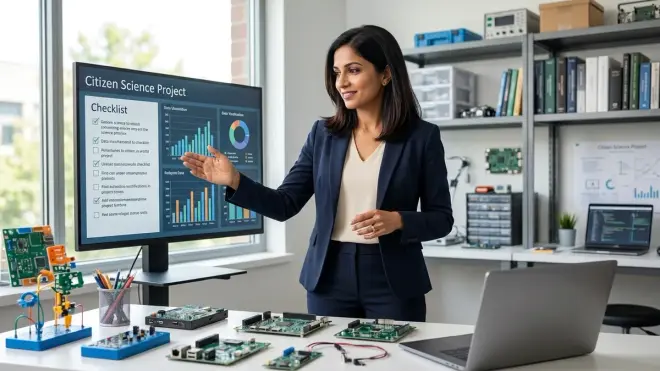
The technical side of this citizen science project setup checklist separates casual observers from contributors who generate genuinely useful data. You're building a data pipeline that transforms raw observations into research-grade records.
Platform-specific data submission app with offline caching capability. Projects like eBird, iNaturalist, and CoCoRaHS each maintain dedicated mobile apps with specific data field requirements. Download and test the app at home, not in the field. Verify that it caches observations when offline—some apps silently discard data collected without connectivity. The app should timestamp observations automatically using device GPS time, not user-entered time, to ensure chronological accuracy across multiple observers.
Sensor interface software compatible with your operating system and hardware. Arduino-based sensor kits require Arduino IDE 2.0+ (free, runs on Windows 10+, macOS 11+, Linux, and Chromebook via Linux container). Raspberry Pi projects need Raspberry Pi OS with Python 3.9+ and relevant sensor libraries pre-installed—the micro:bit citizen science kits roundup details setup procedures by platform. Installation eats 2-4 hours on first setup, troubleshooting driver conflicts and dependency errors. Block this time before your first planned field session.
Spreadsheet or database application for local data management. Google Sheets works for simple observational data but fails at sensor data volumes—continuous air quality monitoring generates 1,440+ data points daily if you're logging per-minute readings. Microsoft Excel or LibreOffice Calc handle larger datasets but require structured data entry protocols. Your software needs basic statistical functions (mean, median, standard deviation) plus graphing capability for preliminary analysis. I've seen students discover fascinating patterns simply by plotting their first week of temperature readings against time of day.
Photo management and metadata editing tools. Research-grade image submissions require embedded EXIF data (date, time, GPS coordinates, camera settings). Most smartphones capture this automatically, but editing apps often strip metadata on save. Use tools that preserve or add metadata: Adobe Lightroom Mobile (free version adequate), or open-source alternatives like digiKam. Your workflow should verify GPS coordinates, correct timestamps if device time was wrong, and add observation notes to description fields.
Version control and change-logging system. Scientific integrity requires documenting every data modification. At minimum, maintain a change log noting date, specific changes made, and reason for change—"Corrected GPS coordinates for observations 34-41, device location services disabled during collection" documents the problem and solution. As students progress, introduce them to proper version control concepts that prepare them for university research methods.
Statistical analysis software appropriate to skill level. Elementary-age students can generate meaningful insights using built-in spreadsheet functions. Middle schoolers ready for more sophisticated analysis should explore CODAP (Common Online Data Analysis Platform, free, browser-based, designed for K-12 learners) or R through RStudio Cloud (steeper learning curve, but introduces industry-standard tools). The how to collect environmental data with sensor kits guide demonstrates analysis techniques matched to developmental stages.
Communication platform for connecting with project coordinators and research teams. Most citizen science projects maintain forums, Slack channels, or email lists where contributors ask questions, share unexpected findings, and coordinate collection efforts. These communities provide the pedagogical scaffolding that transforms isolated data collection into genuine collaborative science. When your child reports a surprising bird sighting and a professional ornithologist responds with context about shifting migration patterns, that interaction builds schema around how real science communities function.
Research Protocols and Documentation
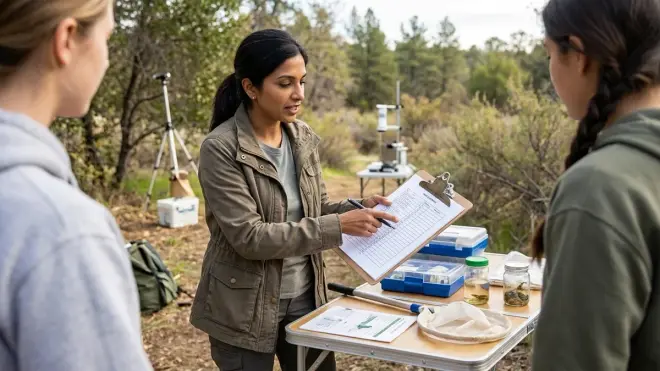
This section of the citizen science project setup checklist addresses the methodological rigor that distinguishes genuine research from random observation. Without consistent protocols, you're generating noise instead of data.
Printed or waterproof-accessible project-specific data collection protocol. Every legitimate citizen science project publishes detailed collection standards—exactly when to observe, what to measure, how to record observations, what environmental conditions to note. Download this protocol document, print it on waterproof paper, and bring it to every field session. I've watched students make systematic errors for weeks because they misremembered a protocol detail. The physical document prevents drift from established methodology.
Standardized observation schedule that controls for temporal variables. If you're monitoring bird activity, observing randomly whenever convenient introduces massive bias—weekday morning counts differ dramatically from weekend afternoon counts due to human activity patterns, weather cycles, and species behavior. Your protocol must specify observation frequency, time of day, session duration, and weather conditions that trigger session cancellation. This consistency allows meaningful comparison across time and between observers.
Clear species identification resources matched to your geographic region. Generic field guides frustrate beginning naturalists because they include hundreds of species you'll never encounter locally. Regional guides narrow possibilities: if you're monitoring butterflies in Texas Hill Country, the Texas Butterfly Identification Guide (either physical or app-based) eliminates 90% of North American species from consideration. Cross-reference uncertain identifications using multiple sources—photo field guides, dichotomous keys, and community verification through platforms like iNaturalist's computer vision plus expert confirmation system.
Data quality control checklist you review before every submission. Professional researchers never trust raw data. Your QC protocol should verify: GPS coordinates fall within expected geographic boundaries, timestamps follow chronological sequence, measurement values fall within physically possible ranges (pH between 0-14, temperatures appropriate to local climate), required fields are populated, and photo evidence supports written observations. This systematic review catches errors while memory is fresh and corrections are still possible.
Detailed site description documentation with photographic reference. Scientific replicability requires that other researchers can return to your exact study location. Document your site with: GPS coordinates accurate to at least 5 decimal places, written description of access route from nearest landmark, photos from multiple angles showing key environmental features, notes on seasonal accessibility (does flooding close access roads?), and potential safety hazards. Update this documentation if site conditions change substantially.
Weather and environmental condition log integrated with each observation session. Temperature, precipitation, cloud cover, and wind speed profoundly affect organism behavior and sensor accuracy. Your log should record conditions at session start, hourly during extended sessions, and at session end. Many citizen science apps prompt for this data automatically, but manual logs provide backup when technology fails. I teach students to use NOAA weather observation standards—it's the same system airport weather stations use, preparing them for how meteorological data actually gets recorded professionally.
Troubleshooting guide for common equipment malfunctions. Sensors fail at the worst possible times. Your field kit needs quick-reference troubleshooting for: sensor won't connect via Bluetooth (power cycle both devices, verify battery levels, check distance), readings seem wildly inaccurate (check calibration date, verify sensor positioned correctly, look for environmental interference), app crashes on data entry (verify sufficient device storage, check for pending app updates). Document solutions as you discover them—your troubleshooting guide becomes a living document that improves with each field session.
Learning Scaffolds and Skill Development Support
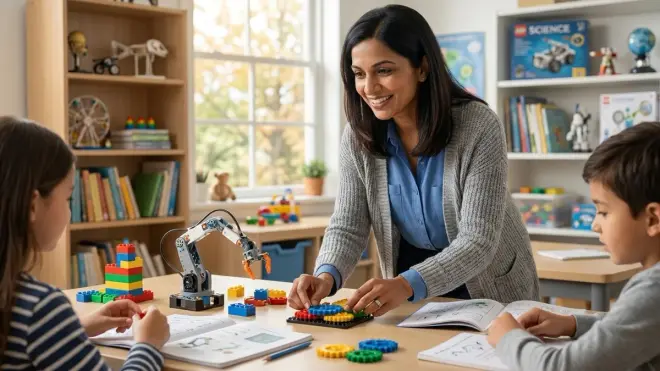
The educational infrastructure behind your citizen science project setup checklist determines whether students develop genuine research competencies or just follow instructions mechanically. This is where pedagogical design matters enormously.
Background content that builds necessary scientific schema before data collection begins. You can't monitor water quality meaningfully without understanding dissolved oxygen, pH, turbidity, and their relationships to aquatic ecosystem health. Front-load 3-5 hours of structured learning covering the scientific concepts underlying your chosen project. The data literacy through citizen science framework breaks down prerequisite knowledge by project type and shows how to scaffold complex concepts for accessibility.
Visual data recording templates that reduce cognitive load during field work. Blank notebooks overwhelm novice observers trying to remember what data to capture. Pre-formatted templates—either printed sheets or digital forms—scaffold the observation process by prompting for required fields: date, time, location, weather conditions, species observed, quantity, behavior, confidence level in identification. As students internalize the protocol, gradually remove scaffolding, transitioning to more open-ended recording methods.
Peer review process that introduces scientific critique at developmentally appropriate levels. Before submitting data to the official project platform, students should present observations to family members or learning group peers for feedback. This mirrors how actual research undergoes peer review before publication. The review focuses on completeness (did you document everything required?), consistency (do your observations make sense together?), and quality (are your photos clear enough for species verification?). Middle schoolers can engage with substantive critique; elementary students need more structured feedback frameworks.
Progress tracking system that visualizes data accumulation and emerging patterns. Citizen science projects often span weeks or months before patterns emerge. Visual progress tracking maintains engagement during the inevitable data collection doldrums. Simple systems work: graph paper showing total observations by week, maps with pins marking each collection site, running species lists that grow over time. When students see their dataset growing, they develop persistence—a research skill as important as measurement accuracy.
Reflection prompts that build metacognitive awareness of the research process. After each field session, structured reflection questions help students think about their thinking: What went smoothly today? What challenged you? What would you do differently next time? Did anything surprise you? What questions does today's data raise? These prompts transform data collection from a procedural checklist into genuine scientific inquiry, the kind that builds habits of mind transferable far beyond this specific project.
Connection to professional research methods and career pathways. Make explicit how this citizen science work mirrors professional practice. Point out when your child uses the same sensor as university researchers, follows the same observation protocols as government agencies, or contributes to datasets that inform published studies. The what is citizen science for kids article explains how student contributions connect to the broader research enterprise and which aspects of this work develop skills used in actual STEM careers.
Expandability pathways that extend the project as competencies develop. Your initial project should fit within your child's current skill zone while pointing toward natural extensions. A student monitoring local bird diversity might expand to tracking migration timing year-over-year, comparing observations across multiple sites, or correlating bird activity with weather patterns. The best citizen science kits for kids roundup shows how different platforms support increasingly sophisticated investigation as capabilities grow.
Final Check Before You Go
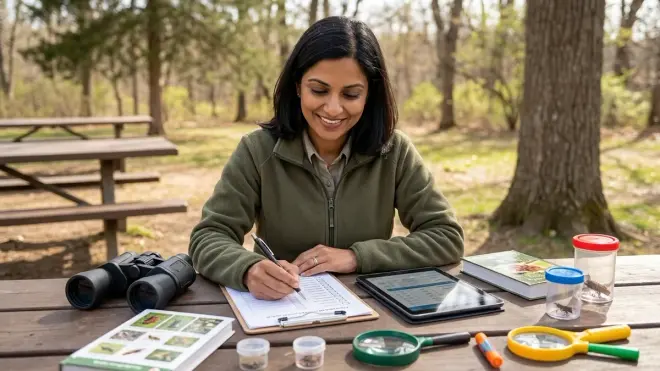
Run through this condensed citizen science project setup checklist before each field session to catch missing elements while you can still address them:
Equipment checklist:
- Data collection device charged and GPS-enabled ✓
- Sensors calibrated within required timeframe ✓
- Field journal and writing implements ✓
- Backup power supply ✓
- Sample containers and collection tools ✓
- Safety equipment appropriate to environment ✓
- Measurement standards for field calibration ✓
Digital systems checklist:
- Data submission app updated and tested offline ✓
- Sensor software confirmed compatible and running ✓
- Data backup system ready ✓
- Photo storage with adequate capacity ✓
- Weather app for condition documentation ✓
Protocol checklist:
- Project protocol document accessible ✓
- Observation schedule confirmed ✓
- Identification resources for expected species ✓
- Data quality control checklist printed ✓
- Site documentation current ✓
- Weather log template ready ✓
Learning support checklist:
- Background content reviewed ✓
- Data recording templates prepared ✓
- Reflection prompts available ✓
- Previous session notes reviewed for lessons learned ✓
Frequently Asked Questions
What age can children meaningfully contribute to citizen science projects?
Children as young as 8 can participate effectively in observational projects with appropriate scaffolding—species identification, phenology monitoring, and basic environmental observation build foundational skills in systematic observation and data recording. By ages 10-12, students can handle sensor-based data collection using platforms like Arduino or micro:bit, managing calibration protocols and data quality verification independently with periodic adult oversight. The determining factor isn't chronological age but rather the student's ability to follow multi-step protocols consistently, recognize when data looks questionable, and maintain observation schedules across weeks or months. Strong reading comprehension and basic arithmetic are prerequisite skills, and the student needs sufficient executive function development to manage the procedural aspects without constant reminders—typically emerging around age 9-10 for most learners.
How much time commitment does a citizen science project actually require?
Observational projects like bird counts or phenology monitoring typically require 15-30 minutes per observation session, with frequency ranging from daily to weekly depending on project protocols—over a month, expect 4-10 hours of active field time plus 2-4 hours for data entry and quality control. Sensor-based environmental monitoring involves longer individual sessions (1-3 hours for site setup, calibration, and data collection) but often less frequent deployment—weekly or biweekly monitoring totaling 8-15 hours monthly including analysis time. The invisible time cost that catches families off-guard is the front-end learning investment: expect 5-10 hours of background study, software setup, sensor calibration, and protocol mastery before your first genuine data collection session produces research-quality results. Projects requiring specialized travel to monitoring sites add transportation time that can double your total commitment, while at-home or neighborhood-based projects minimize this overhead.
Do citizen science projects actually contribute to real research or are they primarily educational?
Legitimate citizen science platforms publish data contribution standards specifically because professional researchers actively use submitted observations in peer-reviewed studies, policy decisions, and long-term monitoring programs—for example, eBird data has contributed to over 500 scientific publications studying bird migration patterns, habitat use, and population dynamics, while iNaturalist observations have led to new species discoveries and inform conservation assessments by organizations like the International Union for Conservation of Nature. Projects involving environmental monitoring (air quality, water quality, noise pollution) often feed directly into regulatory agency databases and community health studies, particularly when sensors meet specified accuracy thresholds and data undergoes verification protocols. The educational value runs parallel to, not instead of, the research contribution—students develop authentic scientific skills precisely because the work matters beyond the classroom, creating intrinsic motivation that artificial "science projects" can't replicate. However, data quality matters enormously: observations that don't follow established protocols, lack proper documentation, or fail verification checks get filtered out of research datasets, which is why the setup checklist approach emphasizes methodological rigor from the start.
Final Thoughts
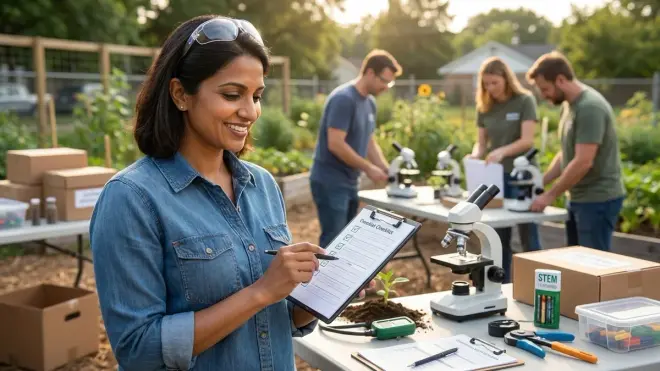
Setting up your first citizen science project properly takes longer than jumping straight into data collection, but this front-end investment determines whether your child develops genuine research skills or just goes through motions. The citizen science project setup checklist approach I've outlined here mirrors how I prepare my own middle school students for authentic scientific investigation—systematic equipment preparation, rigorous protocol adherence, and continuous reflection on methodology.
The beautiful pedagogical feature of citizen science is that it eliminates the artificial ceiling of classroom experiments. Your child isn't discovering something already discovered thousands of times—they're contributing novel observations to datasets that scientists actually need. That shift from pretend to genuine research changes everything about student engagement and persistence.
Start with a single well-chosen project, master the protocols thoroughly, and let data patterns reveal next questions naturally. The research skills you're building—systematic observation, quality control thinking, data integrity, collaborative contribution—transfer directly to university research methods and professional STEM practice. You're not preparing your child for science. You're letting them do science, right now, in ways that matter.